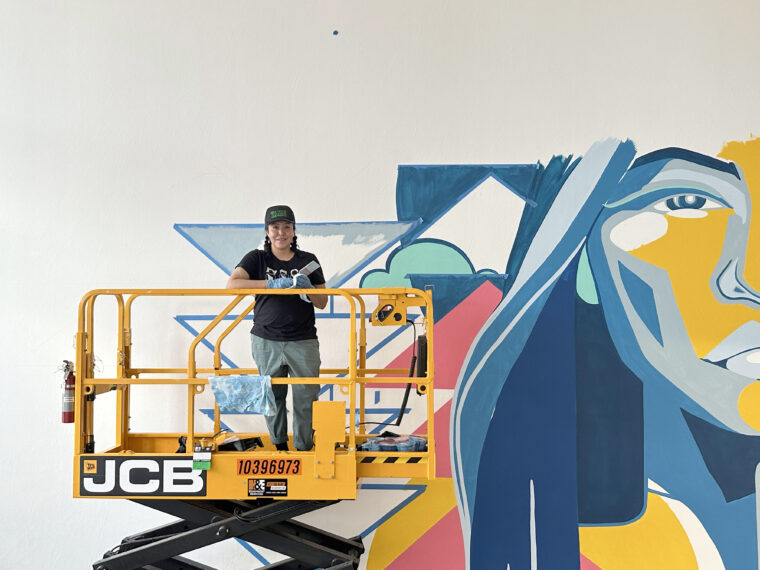
516 ARTS is excited to announce its 2026 Fulcrum Fund grantees comprising of eight recipients within the state of New Mexico. The grand total of $60,000 has been awarded in varying amounts determined by this year’s jury, supporting the development and presentation of independent, artist-led projects and programs. This year’s funded projects include a collaborative community mural series throughout the state, ecologically sustainable approaches to architecture, and bodies of work that tackle underrepresented histories, identities, and cultures within the region.
The Fulcrum Fund is an annual award that provides unrestricted grants to artists and artist collectives based and operating within New Mexico, created and administered by 516 ARTS as a partner in the Regional Regranting Program of The Andy Warhol Foundation for the Visual Arts. The Fulcrum Fund serves as an essential support structure in enabling artists to expand existing work and explore of new directions in creating and showcasing projects that inspire curiosity and dialogue—often engaging audiences beyond traditional art venues. Including this year’s awardees, the Fulcrum Fund has awarded a total of $925,600 to 352 artists statewide since its inception in 2016.
Grant recipients are selected through a juried process featuring arts professionals from around the country.
This year’s jurors were Marissa Del Toro, Director of Programs & Exhibitions at NXTHVN; Michael Reyes, Senior Curator at the El Paso Museum of Art; and RaeAnne Schad (Cheyenne River Lakota), Program Curator at Racing Magpie.
THE 2026 FULCRUM FUND AWARD RECIPIENTS:
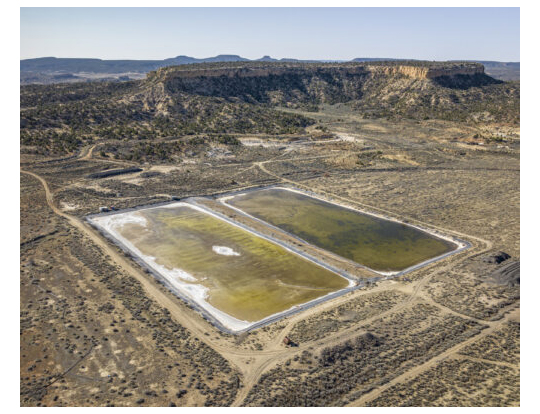 Shayla Blatchford: The Anti-Uranium Mapping Project
The Anti-Uranium Mapping Project (AUMP) is an interdisciplinary, community- centered art initiative that uses counter-mapping to challenge how land, contamination, and environmental risk are visually represented. Drawing from documentary photography, oral history, and spatial storytelling, AUMP reframes maps as contested cultural objects shaped by power, policy, and place-based knowledge. This Fulcrum-funded phase supports the development of a Counter- Mapping Toolkit, formalizing methods from prior exhibitions and community projects, including work around the Church Rock uranium spill. By shifting maps from authoritative documents to shared cultural tools, AUMP supports public dialogue, cross-sector use, and community-led approaches to environmental accountability.
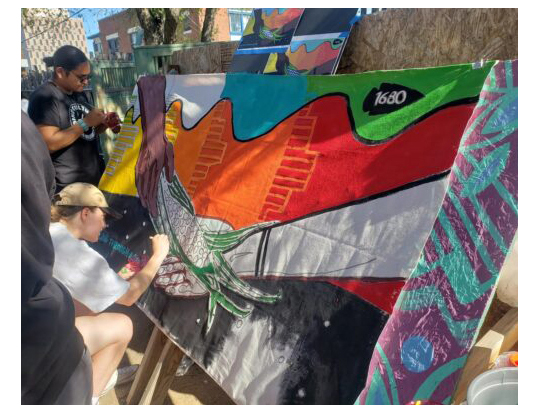 Amanda Erickson: She Cried That Day Documentary in partnership with Three Sisters Collective and Coalition To Stop Violence Against Native Women
The Good Heart Medicine Tour is a collaborative community building art series creating six permanent public artworks across New Mexico and Arizona communities who have been hit hardest by the Missing and Murdered Indigenous Women and Relatives crisis. “She Cried That Day” is an award-winning documentary that brings you inside the MMIWR crisis sharing the toll it takes on a family, a community and a state. We will be pairing screenings of our film with community building art installations creating safe spaces for dialogue, resources and healing. Three Sisters Collective and Autumn Dawn will be leading the art programming for this series.
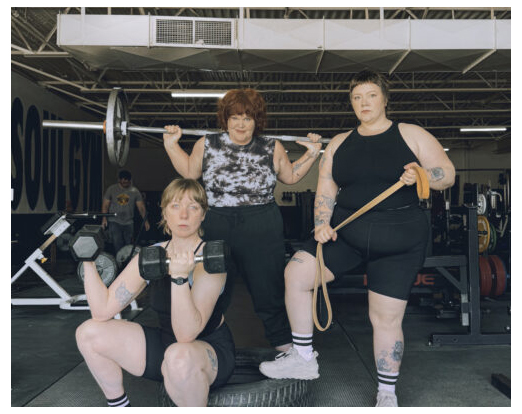 Robyn A. Frank, Allison Kenny, Sallie Scheufler: HEAVY LIFTING
HEAVY LIFTING is a collaborative multidisciplinary project exploring queer, fat, disabled, and trans powerlifting in New Mexico through visual and performance art. The work culminates in a public exhibition featuring sculptural weights, paintings, and experimental performances. The project invites local artists who lift to examine how queer, fat, trans, and disabled bodies reclaim strength, challenge beauty standards, and build community through heavy lifting. Heavy lifting as both the physical activity of lifting heavy and the emotional experience of grief and strength. HEAVY LIFTING centers bodily autonomy, disability justice, and collective care as acts of resistance.
 Isadora Jackson: Woven Landscapes
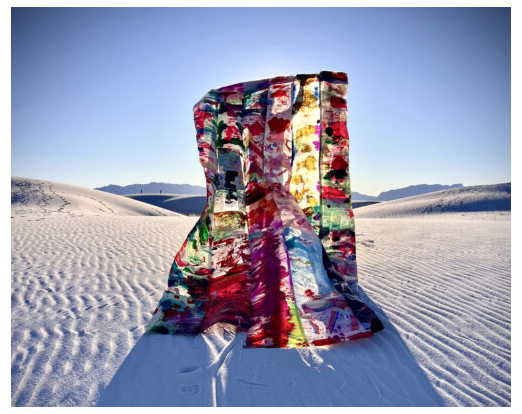
Woven Landscapes is an artist-led series of projection-based installations that activate borderland sites with animated drawings, glow-responsive surfaces, and environmental sound. Presented outdoors and free to the public, the project blends visual art, ecology, and experimental storytelling to examine how the U.S.–Mexico border shapes identity, memory, and landscape. Each installation transforms a specific site, desert structures, rangeland infrastructure, rock formations into an ephemeral canvas, creating shared community experiences outside traditional art venues.
 Felix “Gato” Peralta – Comanche Highway
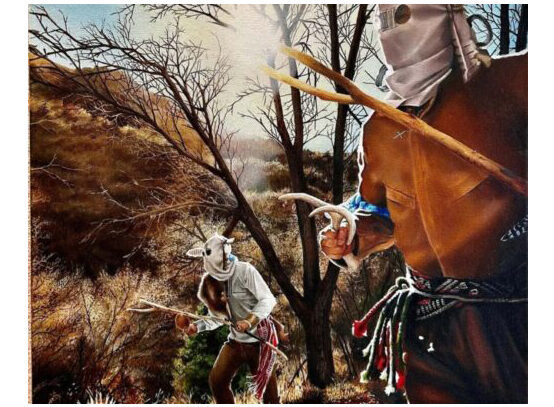
Comanche Highway is a multi-media visual arts project that translates today’s Genízaro consciousness into an exhibition format combining photography, paintings, prints, and video. The routes through the Sandía and Manzano mountains east of Albuquerque and Tomé connected the dynamic Comanche Empire to the middle Río Grande Valley. To frame Diego Pani’s documentary film Comanche Highway: Sounding Genízaro in Contemporary NM, the project presents the art work as “documents” of place, memory, and self- representation—contextualized with captions, text panels, and sound excerpts. Public events in land grant venues feature music and movement as performance art—followed by moderated dialogues with artists and community participants.
 Caroline Liu – Feeding the Ghosts of Chinatown: A City Beneath the City
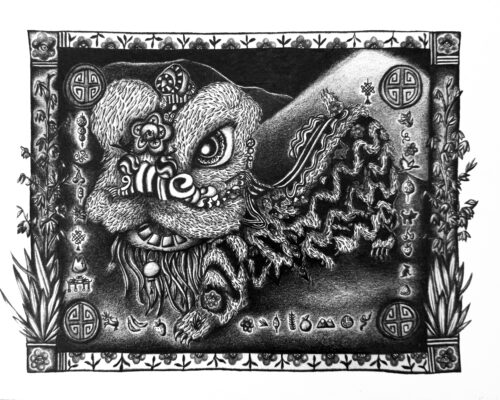
This project explores the forgotten history of Albuquerque’s Chinatown and the Chinese communities who once lived and worked downtown. If not for the Alien Land Act of 1913, which barred Asian Americans from owning land, this area might still be a thriving Chinatown today. Centered on the construction and performance of a hand-built Chinese Memorial Lion, this project creates a public act of remembrance for what was lost. Grounded in historical research and community ritual, it culminates in a Chinese New Year performance that invites collective mourning, honors ancestors, and affirms the presence of Chinese American culture in Albuquerque.
 Margarita Paz-Pedro: Building for Mañana
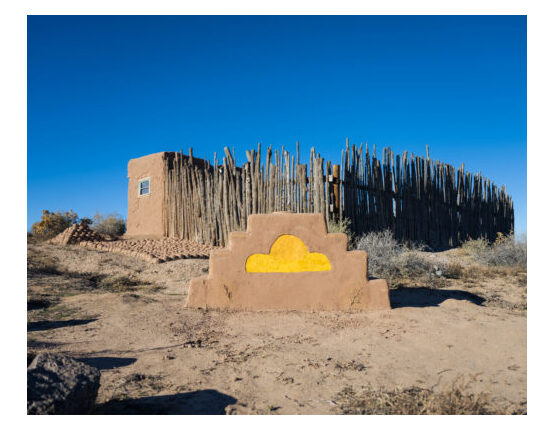
Utilizing historic, sustainable and ancestral ways of building and materials paired with those same methods of seed knowledge, we will reciprocate these ways of knowing with communities in Albuquerque and Southern NM to create seeded adobe sculptures. They are temporary in nature, meant to meltdown back into the earth and re-seed areas in need of stewardship, leaving spaces nourished and better for mañana.
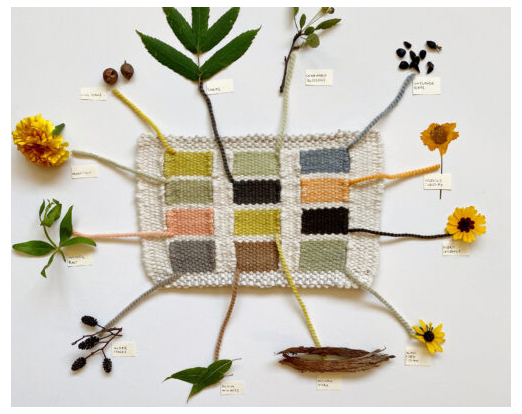 Kayla Powers: Chromatic Ecology
Chromatic Ecology is an exploration of seasonally and geographically specific color, foraged and cultivated in the garden, applied to locally sourced fiber, and shared through a printed publication and public event. “This project integrates the three pillars of my practice: the garden, the classroom, and the studio, creating community around traditional craft practices, regenerative land stewardship, and place-based art,” states Powers.