Black Lunch Table’s (BLT) primary aim is the production of discursive sites, wherein artists and local community members engage in dialogue on a variety of critical issues. BLT mobilizes a democratic rewriting of contemporary cultural history by animating discourse around and among the people living it. First staged in 2005 at Skowhegan School of Painting and Sculpture artist residency, the project has grown by way of contributions from and collaborations with artists, digital humanities researchers, and Wikipedians. BLT currently includes two roundtable series’, an online oral history archive, and a Wikipedia initiative. Much like its creation of physical spaces that foster community and generate critical dialogue, BLT creates a digital space for art, Black studies and social justice issues.
Black Lunch Table
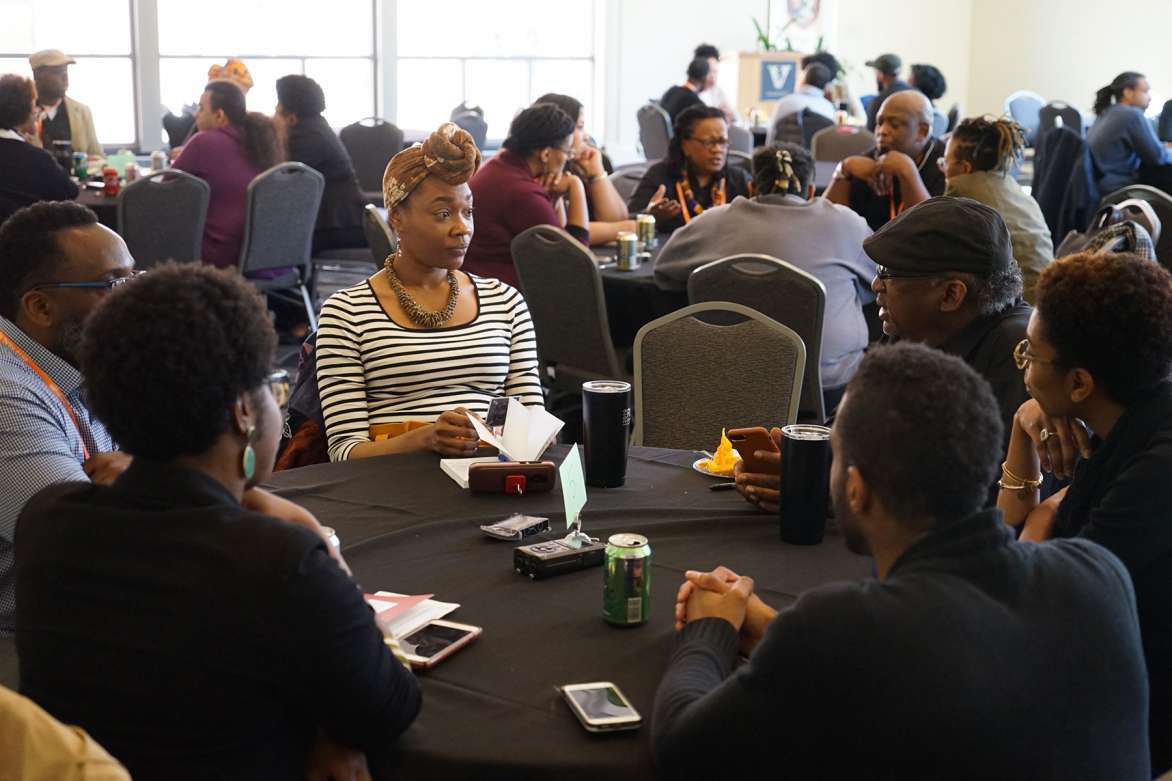
Black Lunch Table Wikimedia edit-a-thon at 2019 Nashville REAL Symposium, Vanderbilt University, Nashville, TN, 2019.
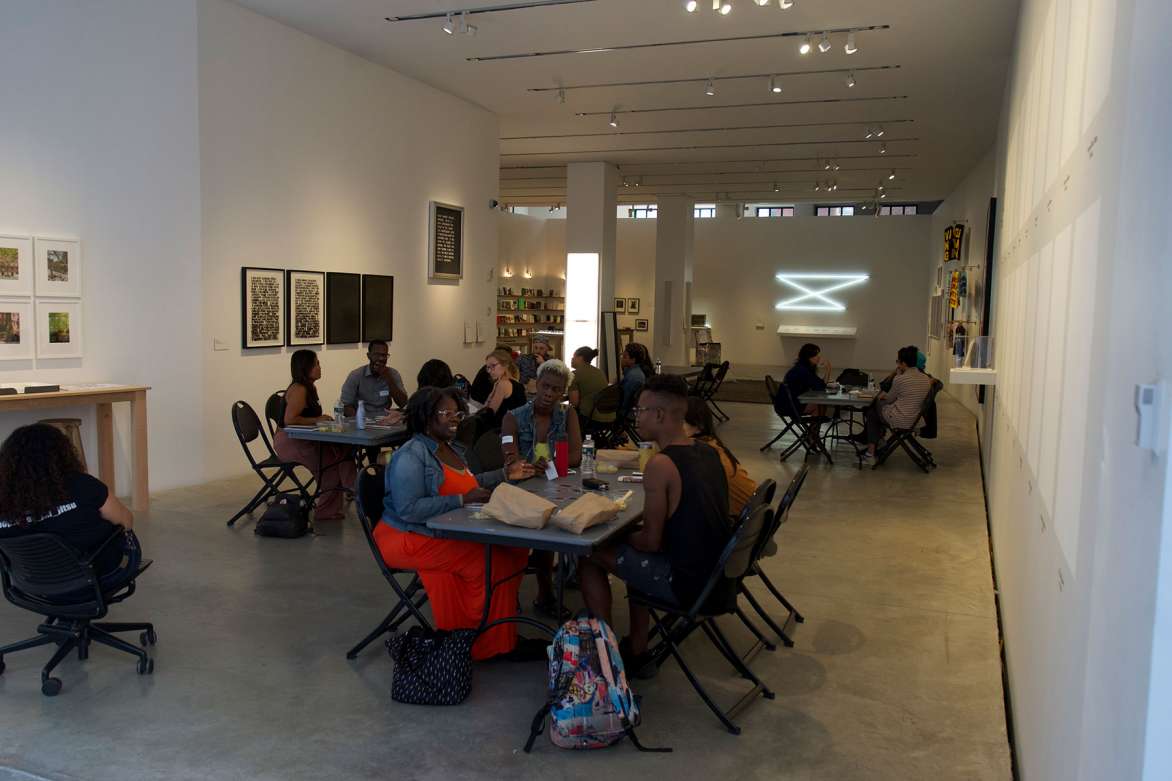
Black Lunch Table Wikimedia edit-a-thon at The New School Centennial Festival, The New School, New York, NY 2019.
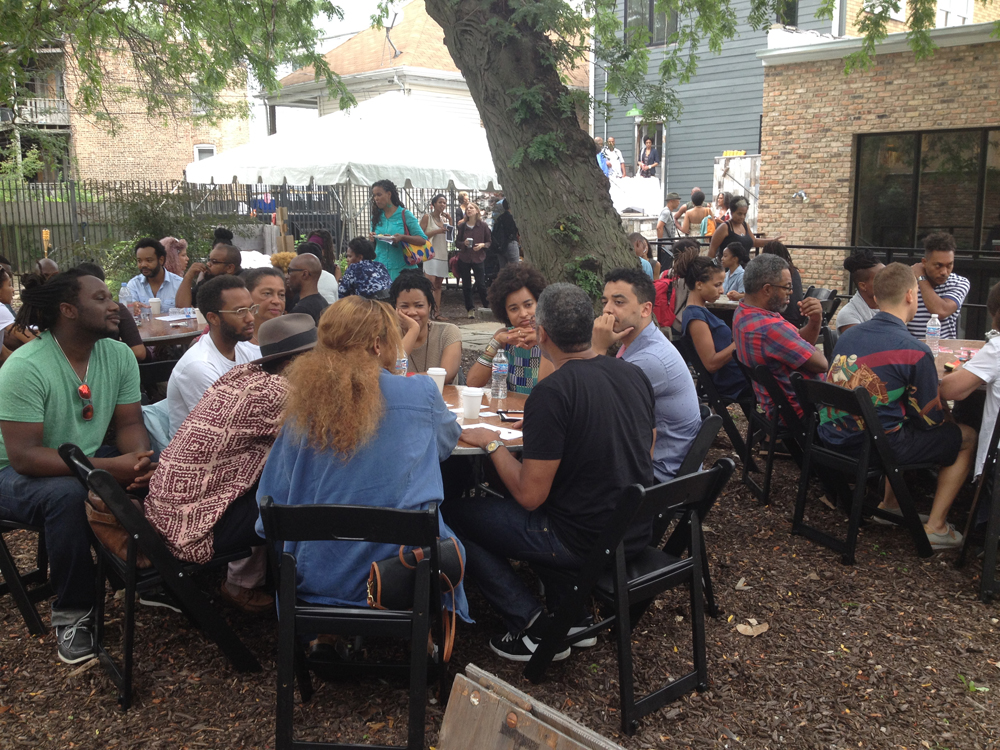
Black Lunch Table at the Black Artists Retreat, Chicago, 2014.
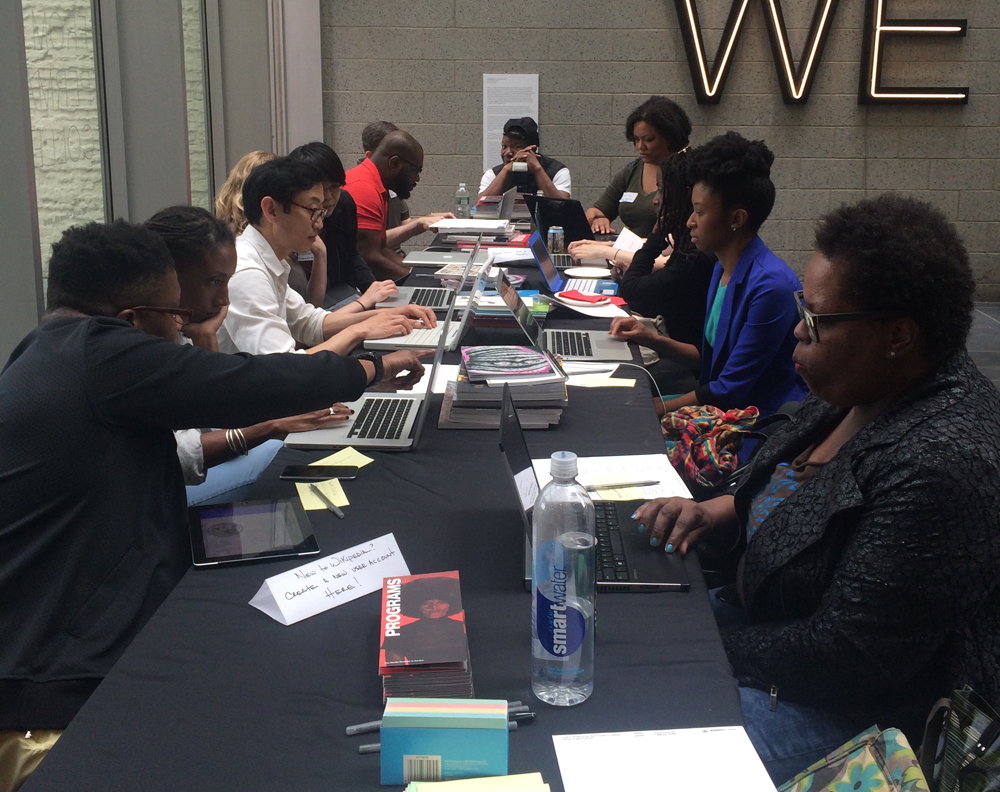
Black Lunch Table’s First Wikipedia Edit-a-thon at Studio Museum in Harlem, New York, NY 2015
2007
The Regional Re-granting Program is established to recognize and support the movement of independently organized, public-facing, artist-centered activity that animates local and regional art scenes but that lies beyond the reach of traditional funding sources.