Coinciding with the twentieth anniversary of Mizna’s flagship art and literary journal, the exhibition’s roster is selected from the list of artists highlighted in its pages: Hamdi Attia, Basel Abbas and Ruanne Abou Rahme, Osama Esid, Fadlabi, Adelita Husni-Bey, Emily Jacir, Yazan Khalili, Joe Namy, Monira al Qadiri, Alaa Satir, Zineb Sedira, Athir Shayota, Nida Sinnokrot, Walid Siti, Raed Yassin, and Ala Younis. This exhibition recognizes the so-called Arab world and its diaspora as multiform, made up of 22 countries with distinct histories as well as diverse ethnicities, languages, and religions. Through visual art, book art, installation, and video, the exhibition’s 17 U.S.-based and international artists engage the “Arab imaginary” as a strategy for examining various social, cultural, and political positions, making connections between contemporary geopolitics and the histories that inform them. These artists address challenges in representation, including the misunderstandings and missteps, and the limiting and problematic terms that are often used to define the region, especially in the U.S. History Is Not Here rejects the idea of history as a fixed category and looks to alternative imagery and language structures from which new “imaginaries” can be generated.
History is Not Here: Art and Arab America
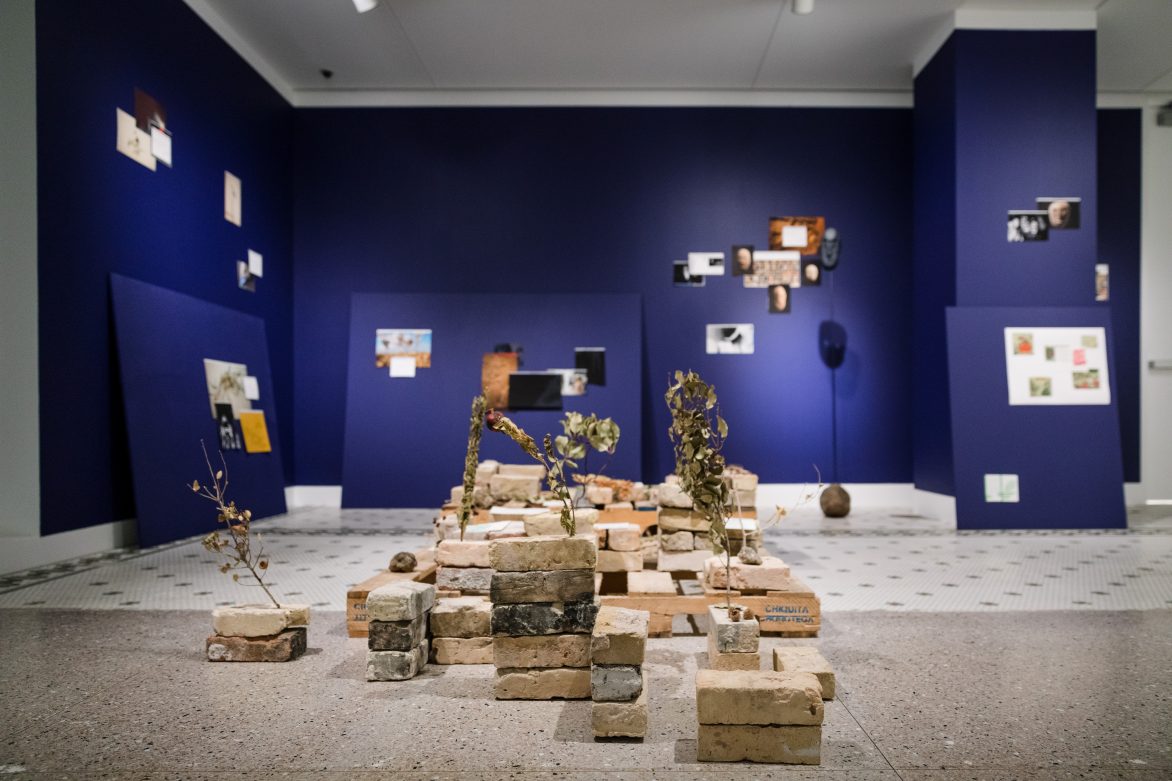
Basel Abbas and Ruanne Abou-Rahme, And yet my mask is powerful (Fragments 1-3), 2016
3D mask, photographs, drawings, notes, dried vegetation, house remains, garbage Courtesy of the artists
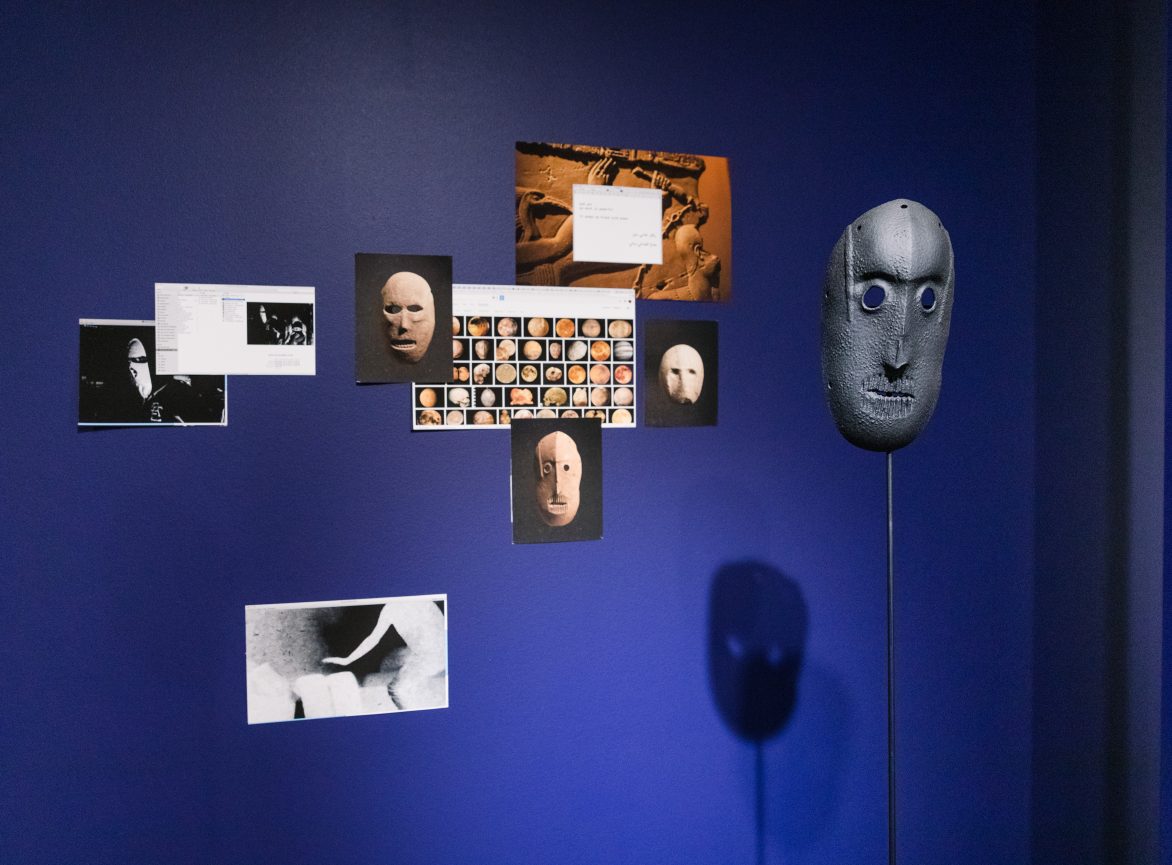
Basel Abbas and Ruanne Abou-Rahme, And yet my mask is powerful (Fragments 1-3), 2016
3D mask, photographs, drawings, notes, dried vegetation, house remains, garbage Courtesy of the artists
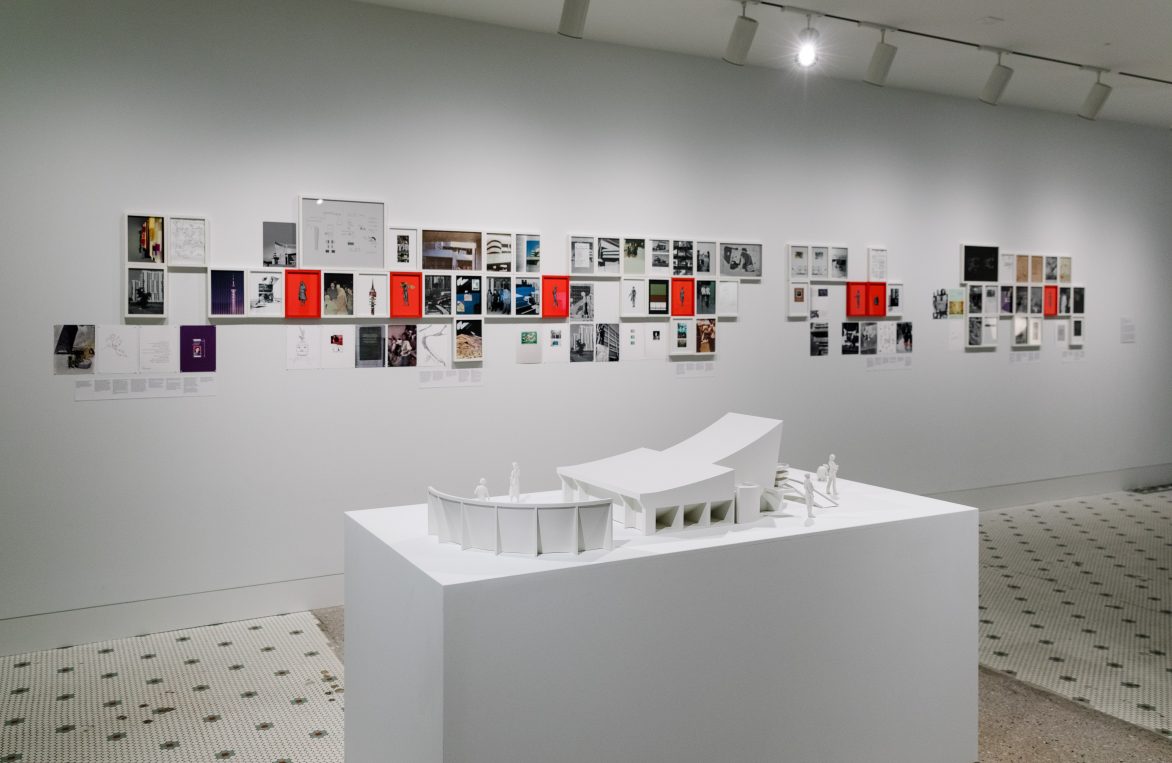
Gallery Views for "History Is Not Here: Art and the Arab Imaginary"
September 12, 2019 – January 5, 2020 at Minnesota Museum of American Art
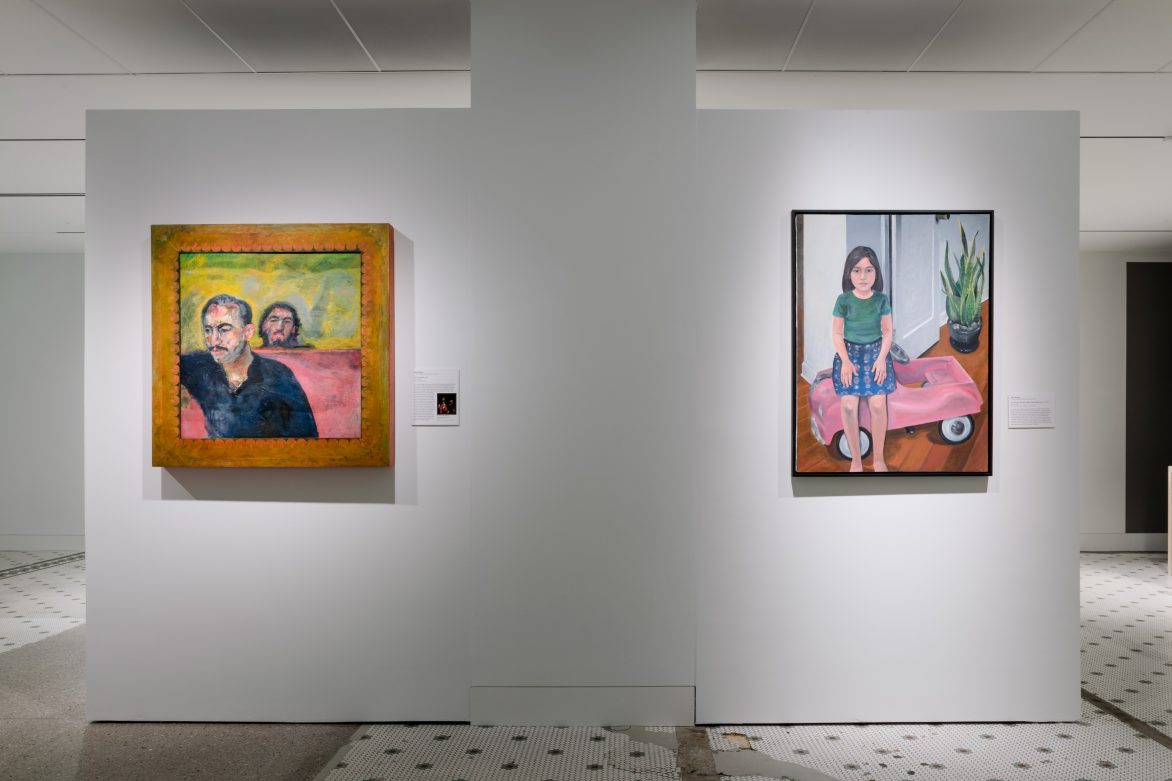
Gallery Views for "History Is Not Here: Art and the Arab Imaginary"
September 12, 2019 – January 5, 2020 at Minnesota Museum of American Art
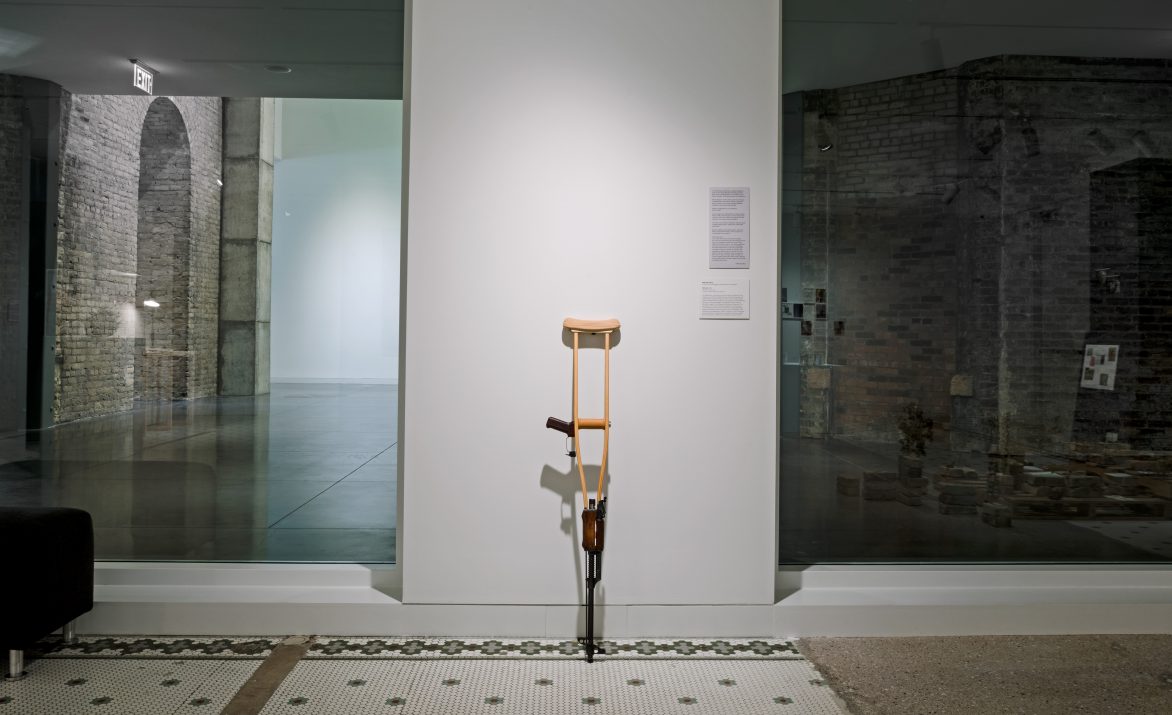
Nida Sinnokrot, AKh-48, 2008
AK-47 parts, crutch, sling
Dimensions: 122cm x 30cm
Courtesy of the artist and carlier | gebauer
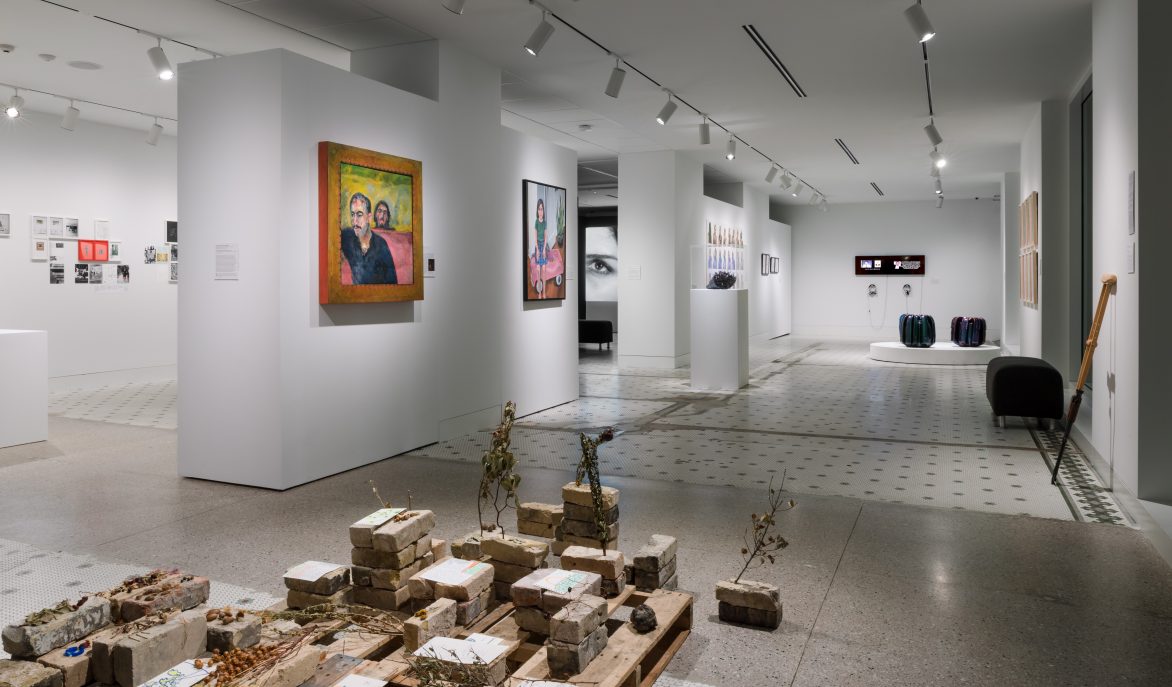
Gallery Views for "History Is Not Here: Art and the Arab Imaginary"
September 12, 2019 – January 5, 2020 at Minnesota Museum of American Art
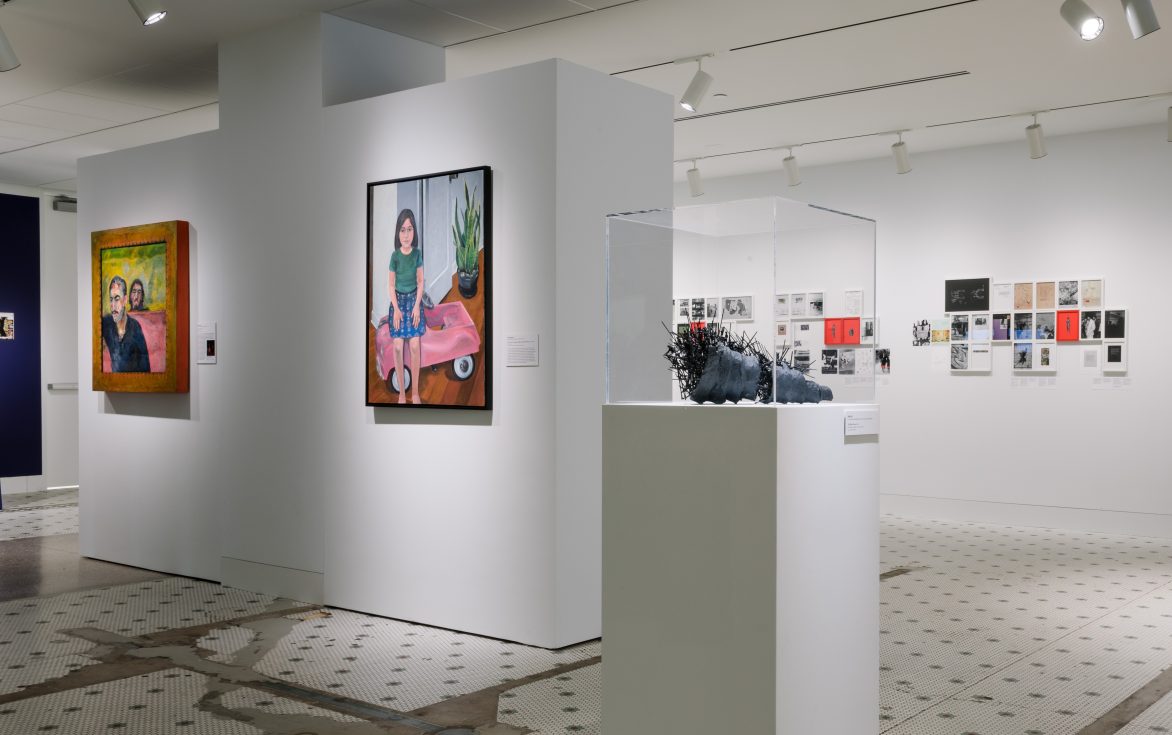
Gallery Views for "History Is Not Here: Art and the Arab Imaginary"
September 12, 2019 – January 5, 2020 at Minnesota Museum of American Art
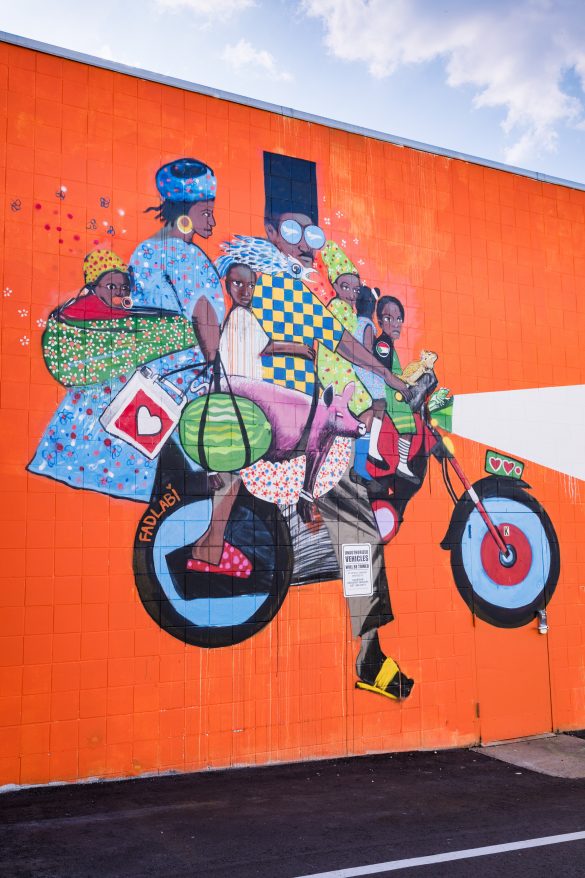
Fadlabi, The Air at Night, 2019
Mural: acrylic paint
Courtesy of Mizna and Chroma Zone Festival
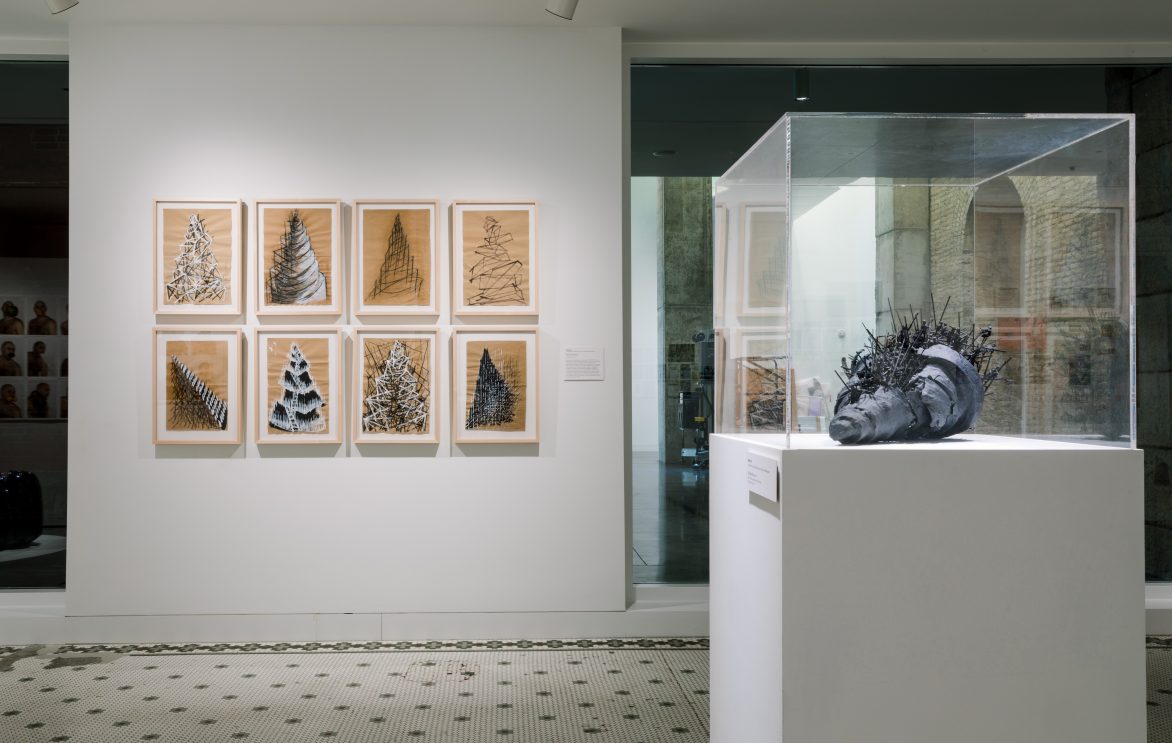
Gallery Views for "History Is Not Here: Art and the Arab Imaginary"
September 12, 2019 – January 5, 2020 at Minnesota Museum of American Art
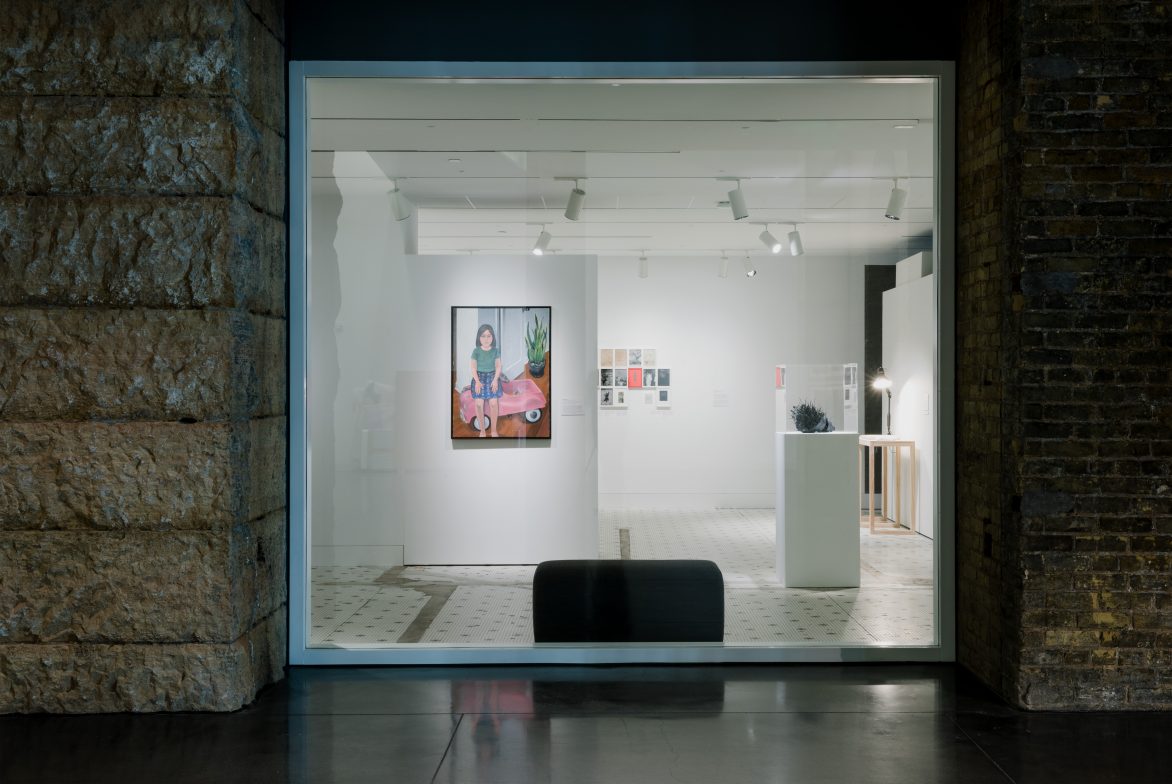
Gallery Views for "History Is Not Here: Art and the Arab Imaginary"
September 12, 2019 – January 5, 2020 at Minnesota Museum of American Art
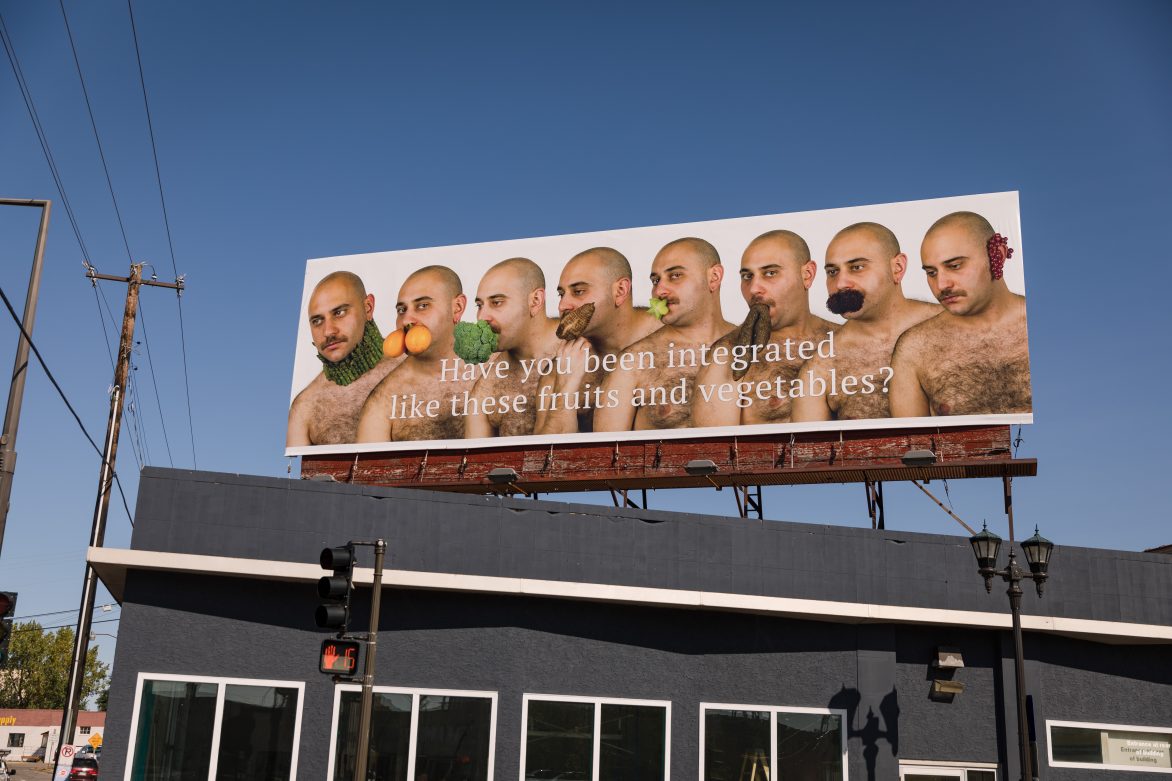
Raed Yassin, Untitled, 2019
Vinyl billboard, 50' x 14 feet
Courtesy of Mizna
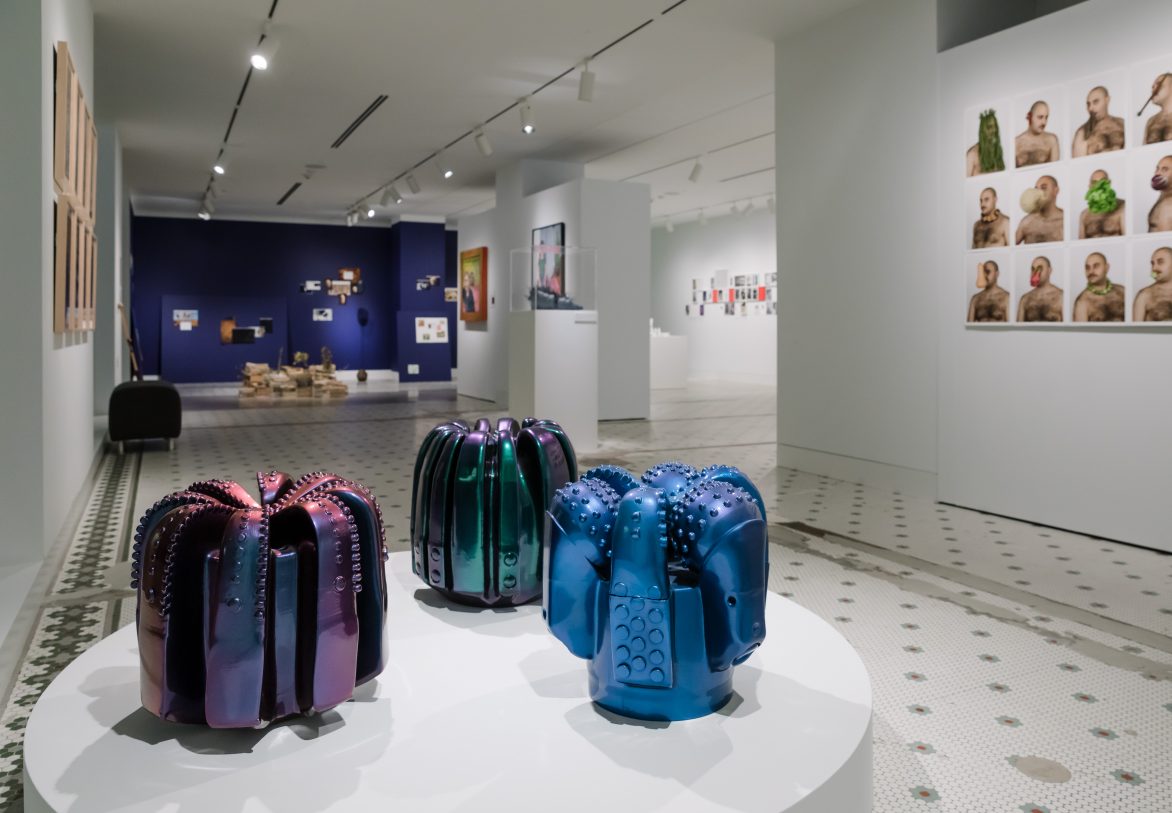
Gallery views of History Is Not Here: Art and the Arab Imaginary.
LEFT:
Monira Al Qadiri, Spectrum II, 2016
3D-printed plastic sculptures
Courtesy of the artist
RIGHT:
Raed Yassin, Self-Portraits with Foreign Fruits and Vegetables, 2009–2011
Inkjet prints on paper
24 images, 35 x 26.5 cm each
Courtesy of the artist
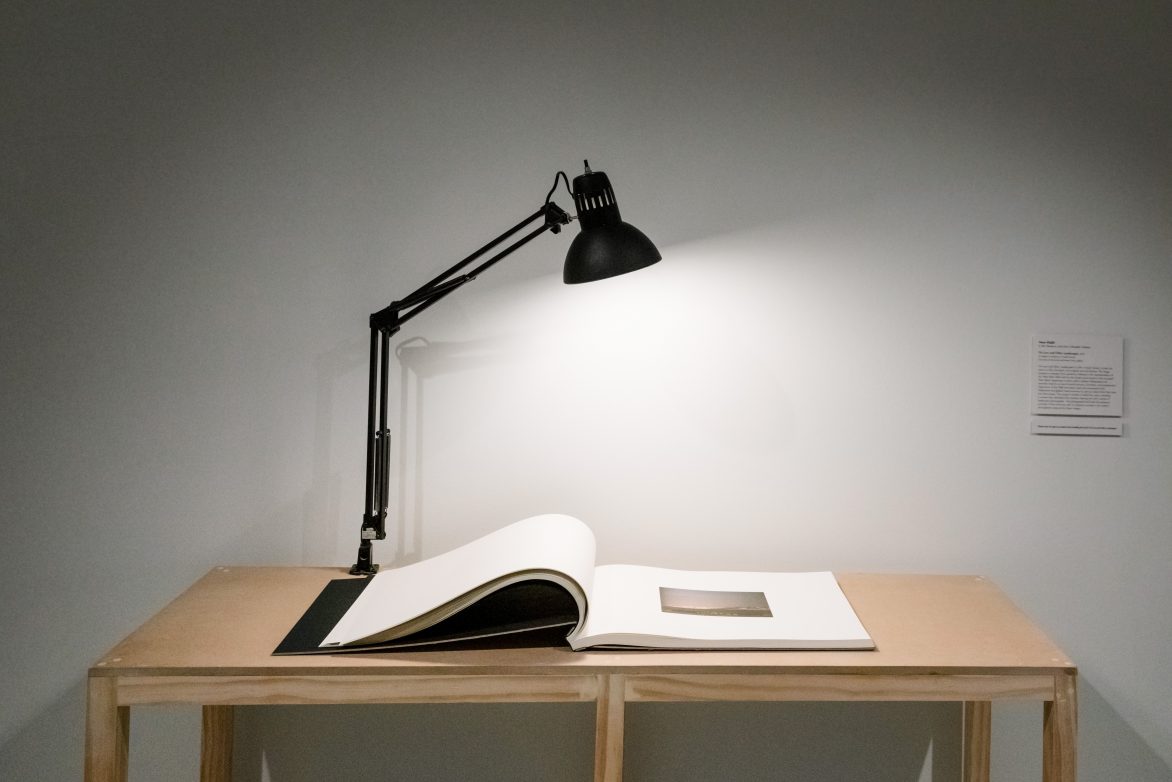
Yazan Khalili, On Love and Other Landscapes, 2011
91 images in sequence, in book format
Courtesy of the artist and Imane Fares gallery
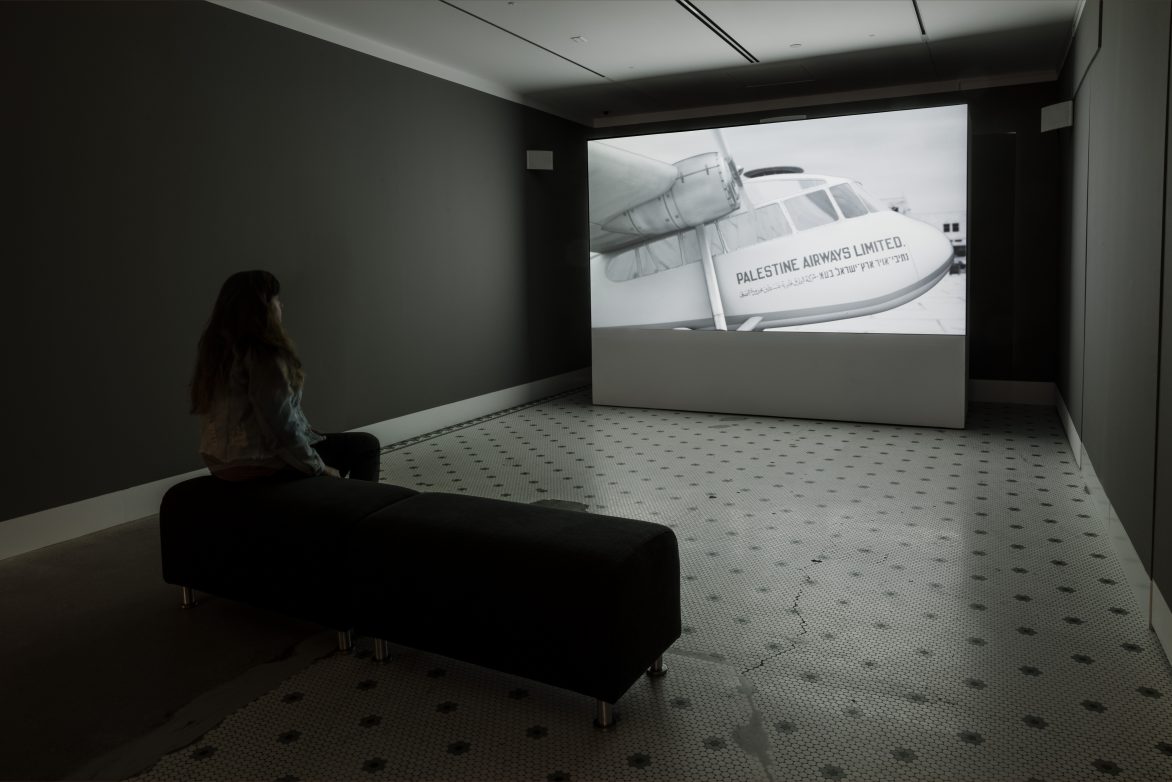
Emily Jacir, Lydda Airport, 2009
Single-channel film, sound, 5 minutes, 21 seconds
Commissioned by the Pick Laudati Fund for Arts Computing, Northwestern
© Emily Jacir, courtesy of Alexander and Bonin
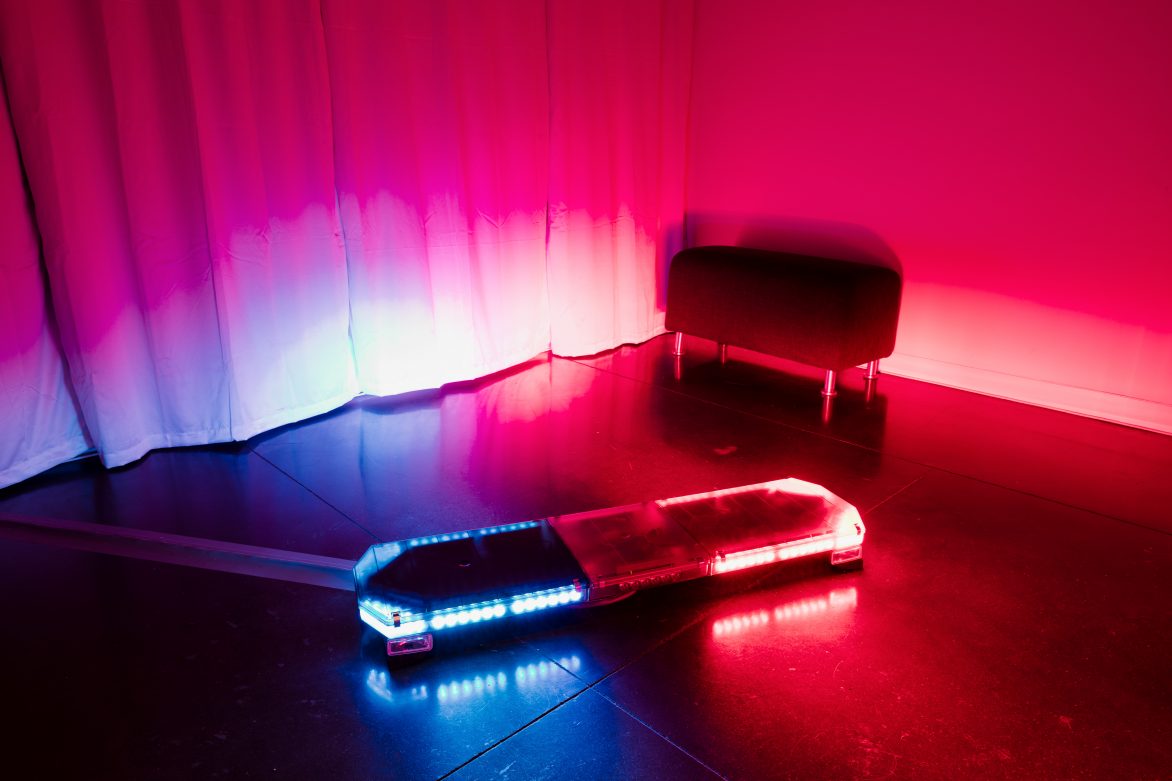
Joe Namy, Half Blue, 2019. Speaker, mp3 player, modified Code 3 - 2100 light bar, 10min, Courtesy of the artist, commissioned by Mizna
“The Warhol Foundation aims to support the full range of artistic activity in America—from exhibitions at major museums to neighborhood projects by artist collectives. Arts writers, through the range and specialization of their individual interests, touch upon all of this activity—illuminating and interrogating it and bringing it into conversation with the public. Support for artists is not complete without support for the circulation and serious consideration of their ideas. The Arts Writers Grant program keeps artists at the center of cultural dialogue and debate—in our opinion, right where they belong.”
Joel Wachs, President