The Andy Warhol Foundation for the Visual Arts

  • About
    • Mission
    • History
    • People
    • Contact
    • FAQ
  • News
    • All
    • Foundation
    • Grantees
  • Grants
    • Overview
    • Application Guidelines
      • Curatorial Research Fellowships
      • Exhibition Support
      • Multi-year Program Support
      • Project Grants for Small-Scale Organizations
      • FAQ
    • Grantees
    • Regional Regranting
    • Special Initiatives
  • Warhol
    • Biography
    • Catalogues Raisonnés
      • Paintings, Sculptures, and Drawings
        • Owner Questionnaire
      • Prints
      • Films
    • Licensing
      • Licensing Inquiries
    • Sales
      • Andy Warhol: Social Network
    • Andy Warhol Museum
    • Stanford Photo Archive
    • Photographic Legacy Project

Tom Lloyd

Institution
The Studio Museum in Harlem
Grant Cycle
Spring 2024
Amount
$100,000
Type of Grant
Exhibition Support
Website
www.studiomuseum.org/tom-lloyd ↗
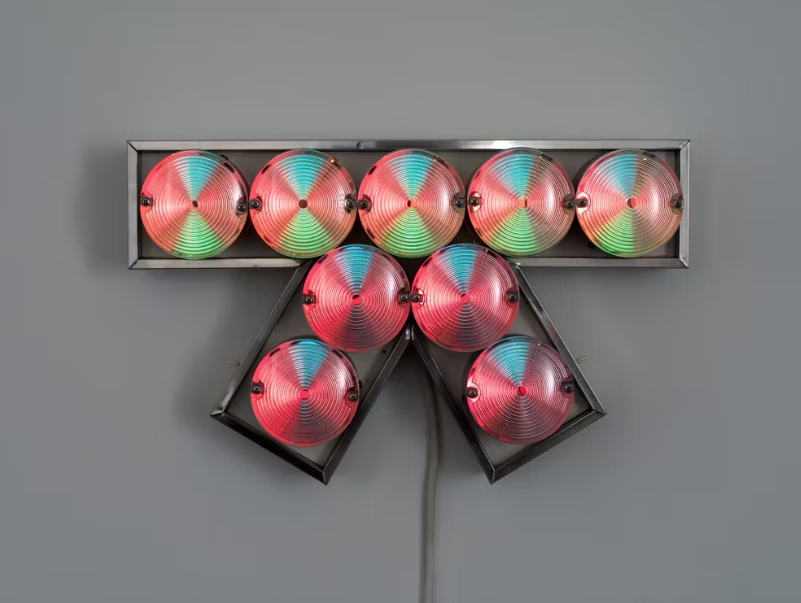
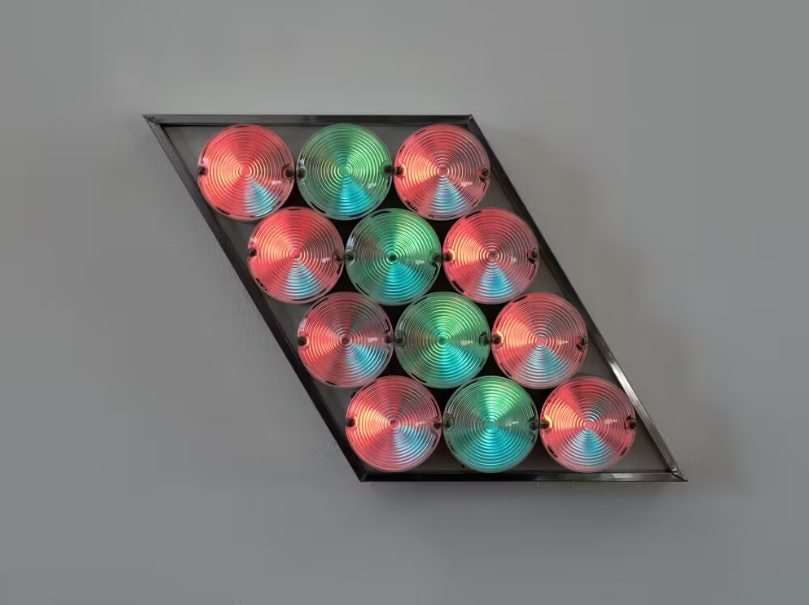
Tom Lloyd, Narokan, 1965. Aluminum, light bulbs, and plastic laminate, 11 1/2 × 18 1/2 × 5 in. Photo by John Berens
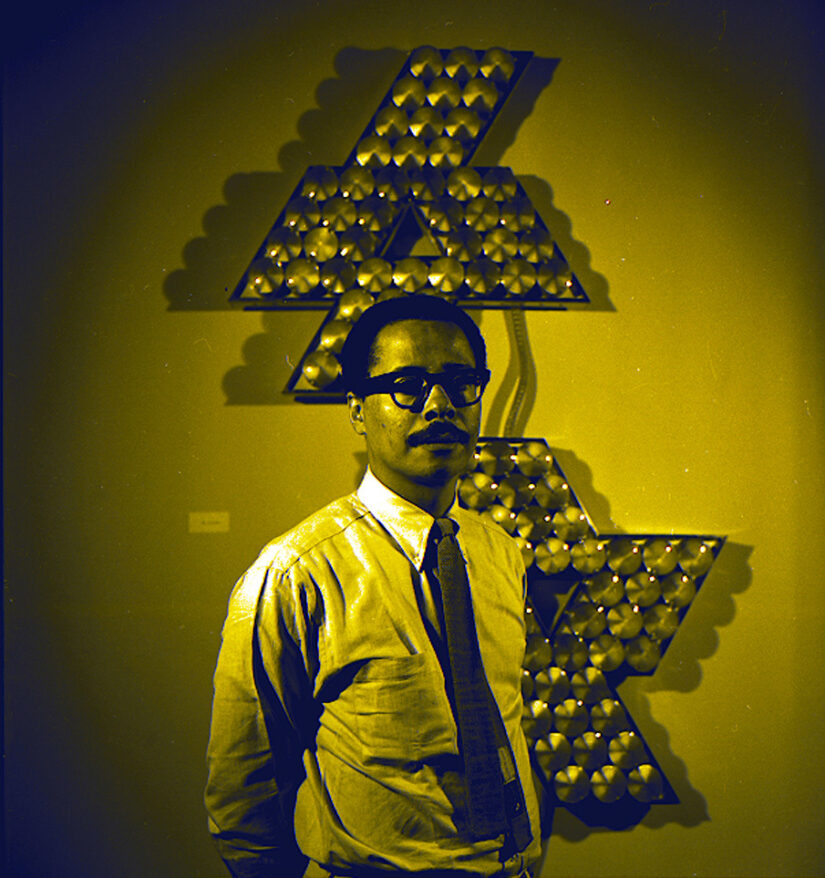
Tom Lloyd standing in front of unknown artwork, 1968. Photographer unknown.
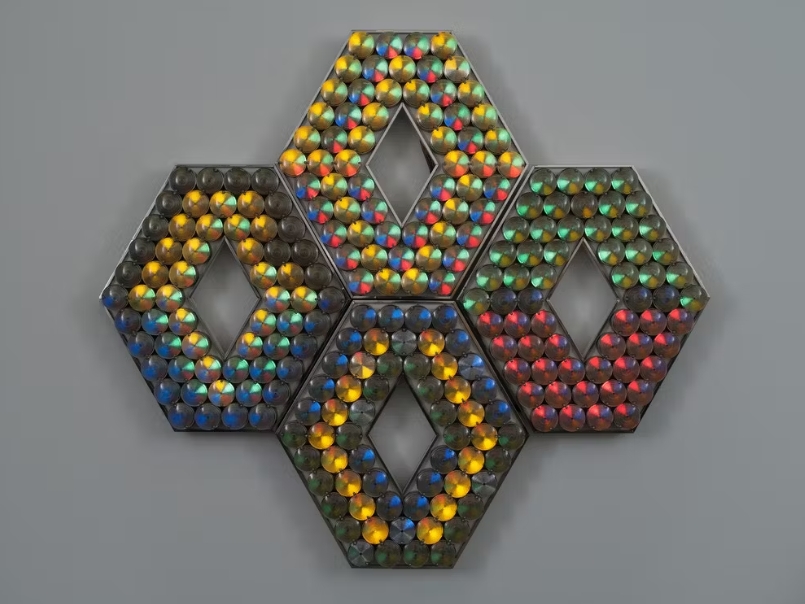
Tom Lloyd, Moussakoo, c. 1968. Aluminum, light bulbs, and plastic laminate, each approximately 35 × 33 × 15 in; Overall dimensions variable. Photo by John Berens
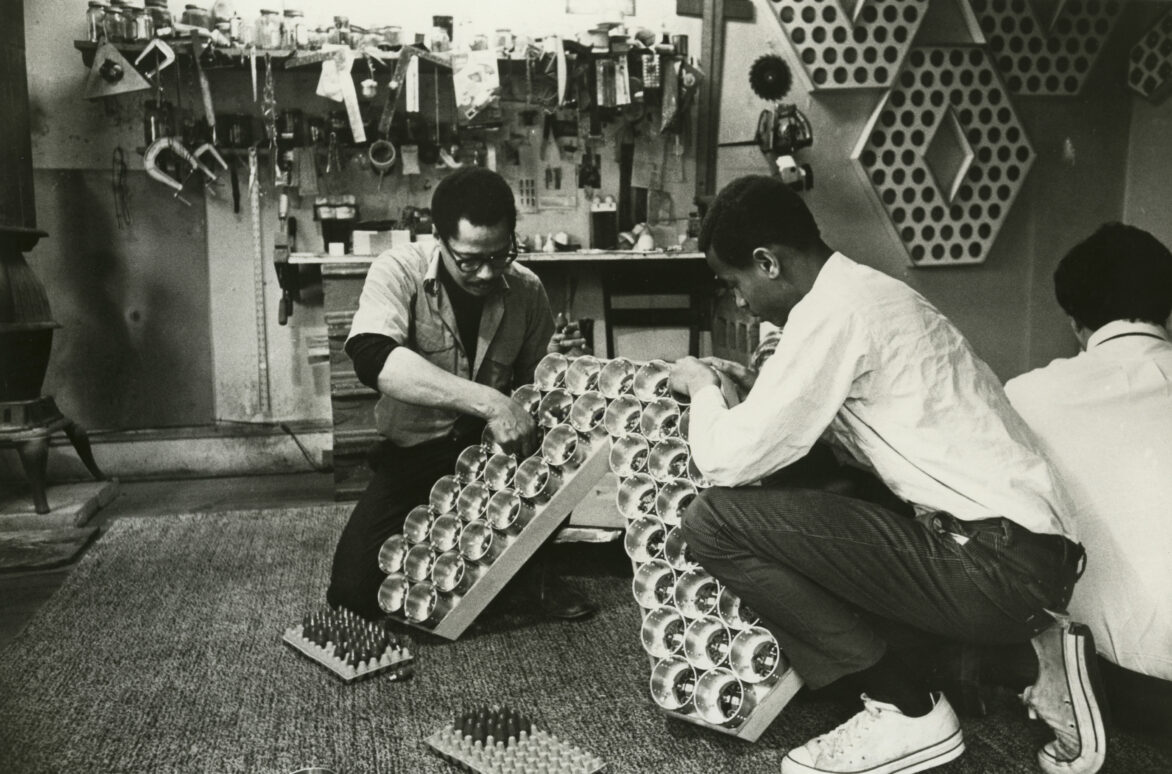
Tom Lloyd and apprentices, including his son Omar, in the artist’s studio in Jamaica, Queens, c. 1968. Photo by Reginald McGhee
Tom Lloyd, Nubile, 1965. Light bulbs, plastic lenses, aluminum, laminated plywood, with analog control box transferred to digital, 16 x 12 x 4 1/2 in.
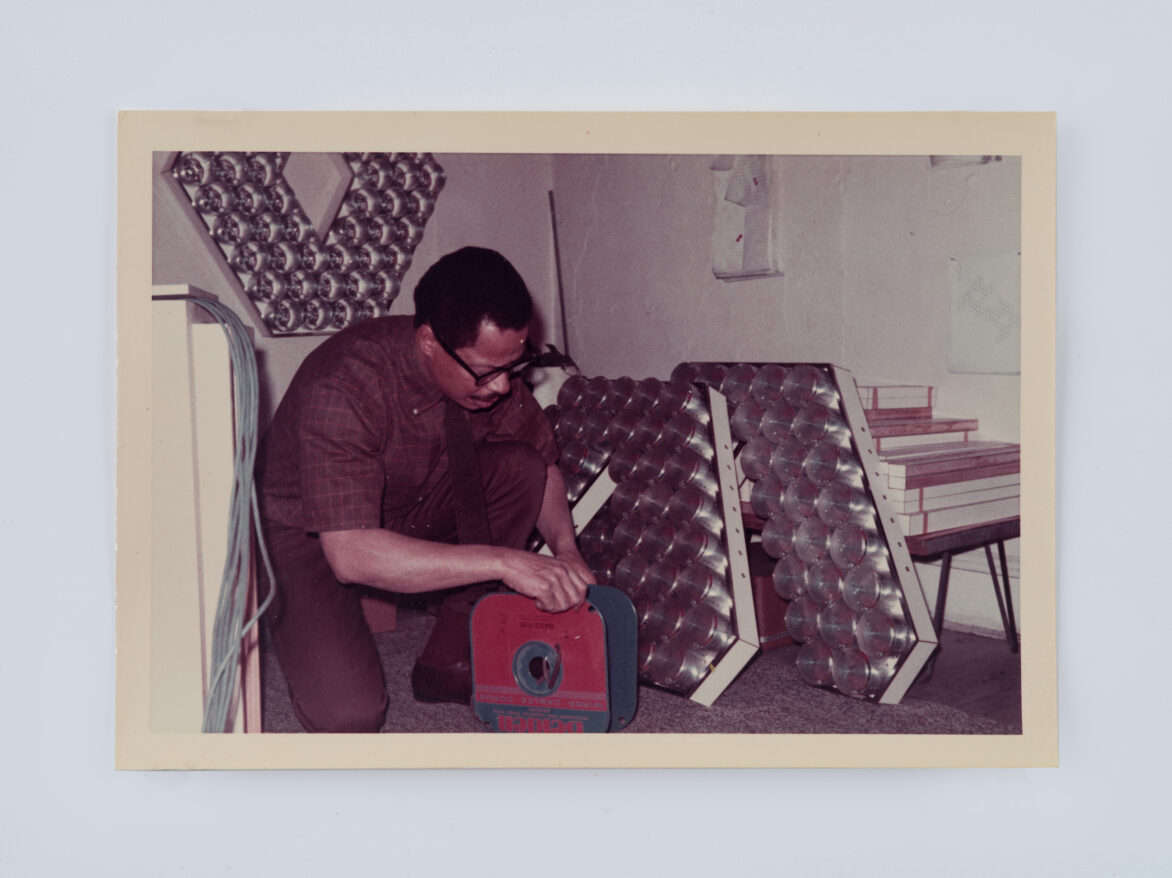
Photographer unknown, Tom LLoyd working on Veleuro, c. 1968. Color photograph, 3 ½ x 5 1/6 in.

Artist, activist, and community organizer Tom Lloyd (1929–1996) was an early pioneer of using electric light as an artistic medium. Collaborating with an engineer at the Radio Corporation of America (RCA), Lloyd developed a highly experimental and technologically advanced art practice in the 1960s that challenged popular understandings of what role the work of Black artists should play.

Although his work was collected and included in numerous exhibitions, by the end of the decade, Lloyd had already moved away from full-time artmaking to dedicate himself to activism and community leadership. He was a founding member of the Art Workers’ Coalition, which formed in 1969 to advocate for artists’ rights, and founded and led the Store Front Museum/Paul Robeson Theatre (1971–1986) in Queens.

The exhibition explores twenty years of the artist’s career and shows, for the first time ever, his assemblages, electronically programmed light sculptures, and works on paper together and alongside materials that illuminate his efforts to transform the New York art world.

“The terrific range of project proposals we receive each year speaks to the mobile and porous disciplinary boundaries of contemporary art practice, and to the rich and inventive ways writers approach art today. They are alert to the urgent need to expand the conventions of art history and criticism with ideas from other discourses, such as black studies, transnational and diaspora studies, gender and women’s studies, and LGBT studies. The work of lesser known and overlooked artists and art communities continues to be mined, with writers articulating new ways to counter the striking imbalances of race, class and gender that continue to affect the arts and the culture industry.”

Pradeep Dalal, Program Director,  The Andy Warhol Foundation Arts Writers Grant

The Andy Warhol Foundation for the Visual Arts
  • Facebook
  • Instagram
  • Twitter
  • Newsletter

Andy Warhol and Andy Warhol’s signature is a registered trademark of The Andy Warhol Foundation.
All Andy Warhol artwork © The Andy Warhol Foundation.
Website design by Wkshps

Use High-Contrast Text