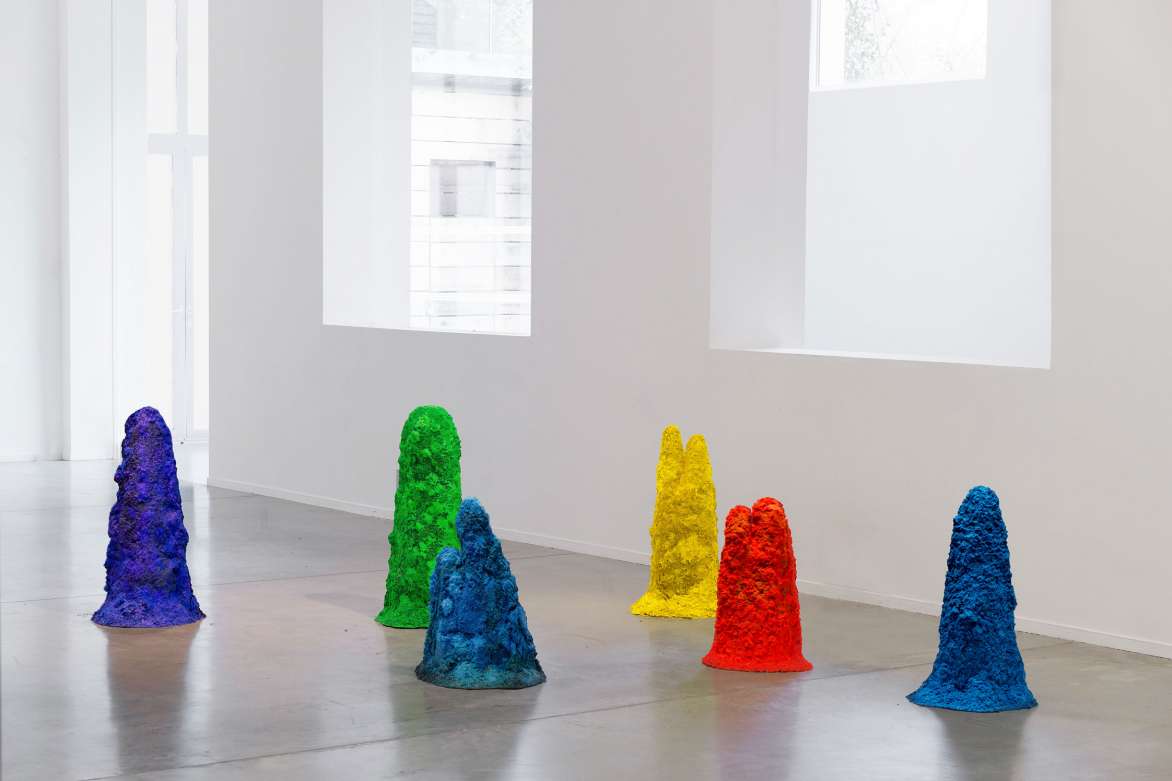
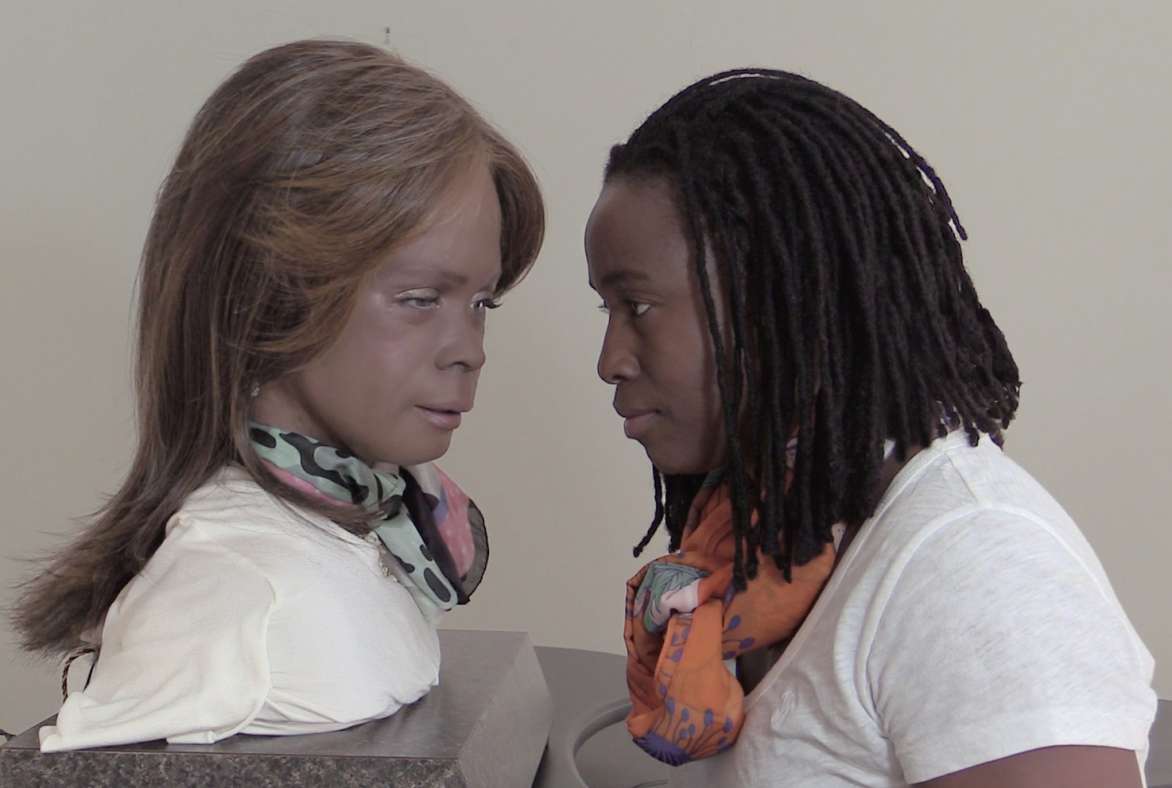
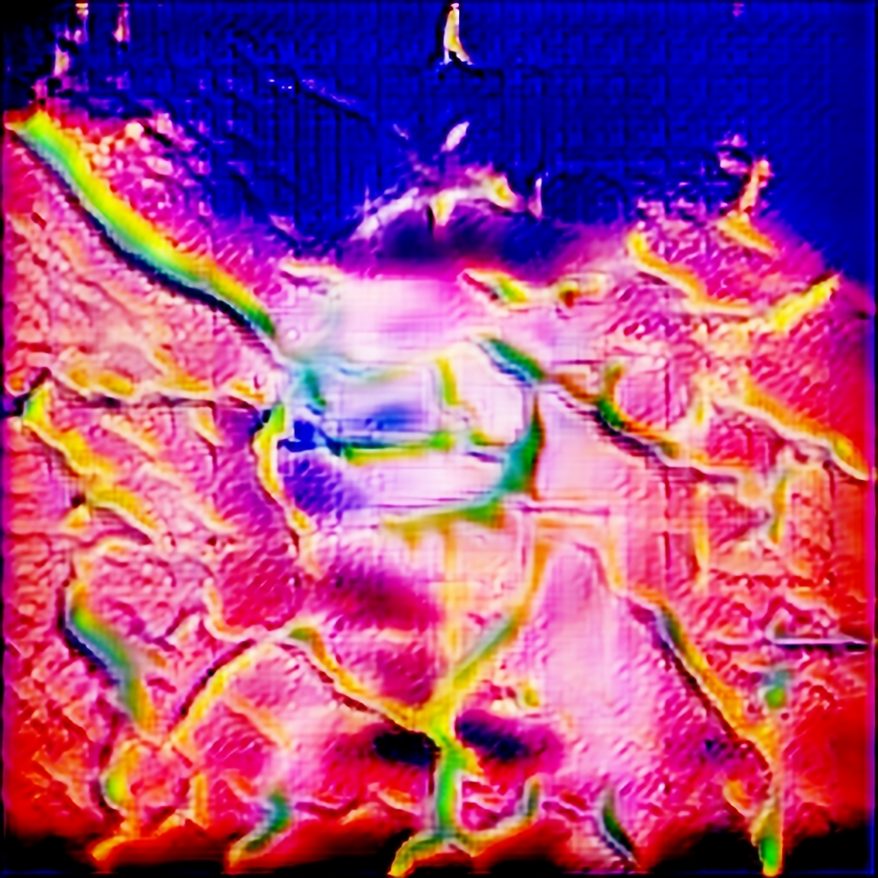
Originally coined by Japanese robotics expert Masahiro Mori in 1970, the phrase “uncanny valley” refers to a measurement of discomfort inspired by objects that appear almost human but are somehow not quite convincing. In today’s AI-driven world, increasingly organized and shaped by algorithms that track, collect, and evaluate our data, the question of what it means to be human has shifted. Uncanny Valley is the first major exhibition to unpack this question through a lens of contemporary art and propose new ways of thinking about intelligence, nature, and artifice. Uncanny Valley: Being Human in the Age of AI is a group exhibition curated by Claudia Schmuckli featuring artists’ explorations of biological, ethical, practical, and philosophical questions that stem from the rise of artificial intelligence. Uncanny Valley is the first major exhibition to unpack this question through a lens of contemporary art and propose new ways of thinking about intelligence, nature, and artifice. The exhibition features new and newly commissioned works by a group of 25 international artists whose projects consider issues of representation, agency, intimacy, self-awareness, labor and geo-political power.
Uncanny Valley: Being Human in the Age of AI
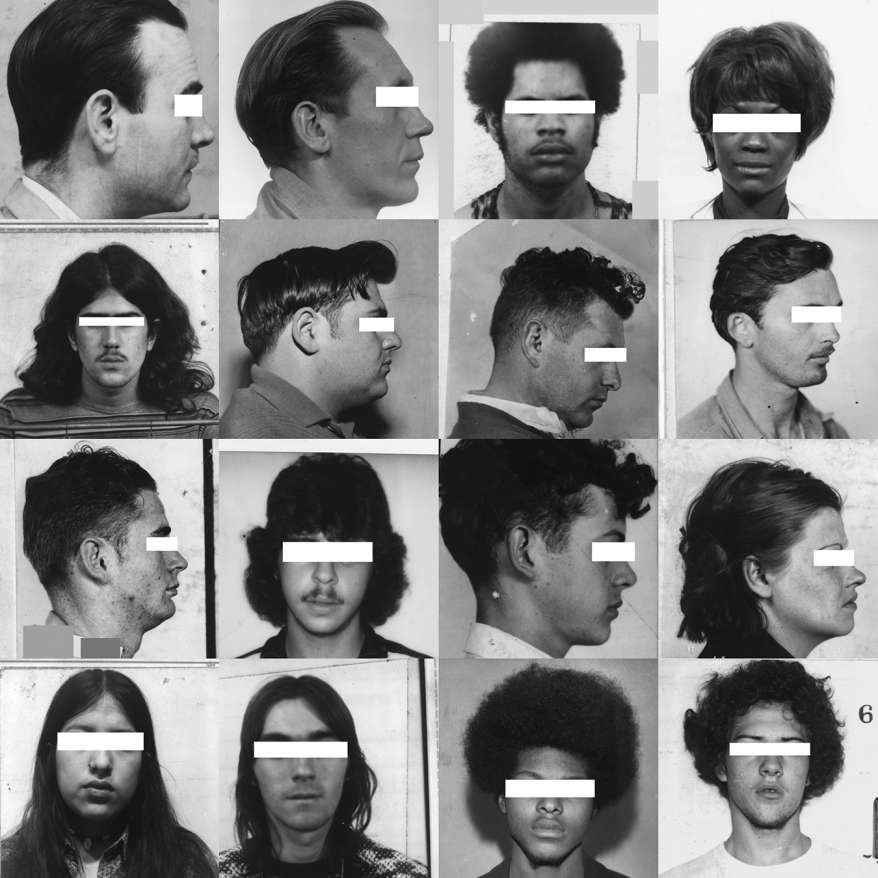
Trevor Paglen
The Took the Faces from the Accused and the Dead (detail)
2019
Silver gelatin print, pins 3240 individual images: 225 × 360 in. (571.50 × 914.40 cm)
© Trevor Paglen, Courtesy of the Artist and Altman Siegel, San Francisco
Image provided courtesy of the Fine Arts Museum of San Francisco
“Sometimes the little things you don’t think are anything while they’re happening turn out to be what marks a whole period of your life.”
The Philosophy of Andy Warhol (From A to B & Back Again)